Advanced Treatment for Chronic HSV Infections

For patients experiencing frequent outbreaks and neurological symptoms despite conventional antiviral management
Recurrent herpes simplex virus (HSV-1 and HSV-2) infections affect over 1 in 5 adults worldwide.
While antiviral medications like valacyclovir reduce viral replication, many patients continue experiencing monthly or more frequent outbreaks, along with neurological symptoms that significantly impact quality of life.
Longevity Advanced  offers a three-phase immunotherapy protocol designed to train your immune system to suppress HSV into sustained latency. Unlike antivirals that manage symptoms, this treatment targets the underlying immune response to the virus.
Clinical Background
Developed by pioneering research and refined through 13+ years of clinical application.
This protocol has treated hundreds of patients since 2011. Most patients experience 50-90% reduction in outbreak frequency, with many achieving extended periods of complete latency.
50-90%
Reduction
in outbreak frequency
The Protocol
3
Intradermal injections
4
Weeks apart
24 hours in our
Roatán
facility
Each visit includes comprehensive medical evaluation, treatment administration, and observation to ensure appropriate immune response.
Expected Outcomes
Progressive reduction in outbreak frequency, significant improvement in neurological symptoms (often beginning after first injection), and restoration of quality of life for patients who have not achieved adequate control with conventional therapy.
Let’s be clear: This is not a cure—the virus remains in your system permanently.
This immunotherapy trains your immune system to suppress viral activity, reducing or eliminating the symptoms that interfere with your daily life.
Evaluate Your Candidacy
Get Started →
The Limitation of Current Treatment
Standard antiviral therapy—including acyclovir, valacyclovir, and famciclovir—works by inhibiting viral replication. These medications are effective for many patients and remain an important tool in HSV management. However, they do not address the immune system's ability to recognize and suppress the virus on its own.
For a significant subset of patients, antiviral therapy provides inadequate symptom control. Despite daily suppressive doses, these patients continue experiencing:
Frequent Recurrent Outbreaks
Monthly, bi-weekly, or near-constant outbreaks that disrupt work, relationships, and daily activities. Some patients report having symptoms more than half the year, with minimal "latent" periods between episodes.
Neurological Symptoms
Chronic lower back pain, paresthesia (tingling or numbness) in the affected dermatome, lower limb weakness, persistent headaches, and insomnia. These symptoms often occur in the same distribution pattern as the outbreaks and may be dismissed by physicians unfamiliar with this presentation.
Systemic Effects
Gastrointestinal disturbances, new food intolerances, chronic fatigue, and cognitive fog that patients describe as debilitating but struggle to have validated by their medical providers.
Quality of Life Impact
The unpredictability of outbreaks forces patients to plan their lives around potential flare-ups. The psychological burden—compounded by stigma and isolation—is profound. Many patients describe feeling trapped in a cycle of symptom management without meaningful improvement.
Emerging Research
HSV and Cognitive Decline
Recent large-scale studies (2024-2025) have identified a concerning association between recurrent HSV infections and long-term neurological risk:
2.5x
increased risk
of developing dementia and Alzheimer's disease in individuals with HSV-1 or HSV-2 history
Chronic
neuroinflammation
from repeated viral reactivation may contribute to progressive neural damage
Window of
Opportunity
Early suppression of recurrent infections may potentially reduce long-term neuroinflammatory burden
Sources: Itzhaki et al. 2018, Frontiers in Aging Neuroscience; Tzeng et al. 2018, Neurotherapeutics; BMJ Open 2025
A Different Mechanism of Action
For patients who have not achieved adequate symptom control with antiviral therapy, immunotherapy offers a fundamentally different approach. Rather than suppressing viral replication, this protocol retrains the immune system to recognize and suppress the virus more effectively—potentially reducing both outbreak frequency and the chronic inflammatory burden associated with recurrent infections.
How Immunotherapy Works
Antiviral Therapy
Inhibits viral replication
Requires continuous medication
Manages active outbreaks
Virus "hides" between outbreaks
Immunotherapy Protocol
Retrains immune response
Three-phase treatment series
Targets viral suppression at source
Immune system learns to maintain suppression
HSV and Cognitive Decline
HSV establishes latency in the dorsal root ganglia along the spinal cord. During periods of stress, immune suppression, or other triggers, the virus reactivates and travels along nerve pathways to cause outbreaks. In many patients, the immune system's response to the latent virus becomes inadequate over time—either failing to recognize reactivation early enough or mounting an insufficient response to prevent symptoms.

This immunotherapy protocol uses an attenuated viral antigen to "re-present" the virus to the immune system in a controlled manner. The goal is to provoke a robust immune response that increases the body's ability to recognize and suppress viral reactivation before it produces symptoms.
Why the Intradermal Approach
The protocol is administered intradermally (into the dermal layer of the skin) in the lower limb—strategically distant from the dorsal root ganglia where the virus resides. This method enables clinicians to monitor the immune response through localized skin reactions (erythema, warmth, mild swelling) while limiting systemic exposure.

Patients with more severe neurological symptoms often demonstrate more pronounced skin reactions at the injection site—suggesting a correlation between symptom burden and immune activation capacity.
Progressive Immune Training
The three-phase protocol allows for progressive immune education:
Phase 1
Initial exposure provokes immune recognition.
Most patients (75-80%) experience an outbreak following the first injection—this is expected and indicates the immune system is responding.
Phase 2
Second exposure typically produces a more modulated response.
Patients report reduced outbreak severity or "wannabe" outbreaks that resolve quickly.
Phase 3
Third exposure reinforces long-term immune memory.
By this point, most patients have achieved significant symptom reduction.
Clinical Development
This protocol was developed by Dr. William Halford, a virologist who dedicated his career to HSV research and spent years refining the immunotherapy approach.
Since 2011, the treatment has been administered to hundreds of patients, with continuous refinement based on clinical outcomes and patient response patterns.The protocol does not eradicate the virus—HSV remains in the dorsal root ganglia permanently. Instead, it trains the immune system to maintain the virus in a deeply suppressed latent state, reducing or eliminating both outbreak frequency and the neurological symptoms associated with viral reactivation.
Clinical Development
This protocol was developed by Dr. William Halford, a virologist who dedicated his career to HSV research and spent years refining the immunotherapy approach.
Since 2011, the treatment has been administered to hundreds of patients, with continuous refinement based on clinical outcomes and patient response patterns.The protocol does not eradicate the virus—HSV remains in the dorsal root ganglia permanently. Instead, it trains the immune system to maintain the virus in a deeply suppressed latent state, reducing or eliminating both outbreak frequency and the neurological symptoms associated with viral reactivation.
How Immunotherapy Works
Since 2011, this immunotherapy protocol has been administered to hundreds of patients with recurrent HSV-1 and HSV-2 infections. While individual responses vary, consistent patterns have emerged across the patient population.
50-90%
Reduction in outbreak frequency across patient population
75-80%
Experience significant improvement by third injection
18+ months
Many patients achieve extended latency periods without outbreaks
Three-phase protocol
Typical Response Pattern
Most patients follow a predictable progression through the three-phase protocol:
After First Injection
75-80%
of patients experience an outbreak within the first week.
of developing dementia and Alzheimer's disease in individuals with HSV-1 or HSV-2 history
After Second Injection
~50%
of patients experience a mild outbreak or no outbreak at all.
Neurological symptoms—particularly chronic pain, paresthesia, and insomnia—show marked improvement. Many patients describe this as the turning point where they recognize meaningful change.
After Third Injection
~50%
or greater reduction in outbreak frequency on most patients
Some reach complete latency (no outbreaks). Neurological symptoms continue to improve or resolve entirely.
Neurological Symptom Resolution
One of the most dramatic outcomes observed is the rapid improvement in neurological symptoms. Patients who have experienced chronic lower back pain, limb weakness, or persistent paresthesia for years often report significant relief within days of the first injection.This suggests the immune modulation affects not only viral reactivation at the skin surface but also the neuroinflammatory processes occurring along the affected nerve pathways.
Long-Term Suppression
Following completion of the three-phase protocol, most patients maintain reduced outbreak frequency for extended periods. Some patients achieve 12-18+ months of complete latency. Others experience occasional mild outbreaks but at dramatically reduced frequency compared to pre-treatment baseline.A subset of patients requires booster injections to maintain optimal suppression. This is assessed through ongoing monitoring and patient-reported outcomes.
Quality of Life Metrics
Beyond outbreak frequency, patients consistently report:
Ability to plan activities without fear of imminent outbreaks
Resolution of symptoms that had been dismissed or misdiagnosed by other physicians
Reduced reliance on daily antiviral medication (though some patients choose to continue low-dose suppressive therapy)
Psychological relief from the "prison sentence" feeling of perpetual infection management
Restoration of sexual confidence and relationship quality
Patient Profiles
The following cases represent typical presentations and outcomes observed in clinical practice. All identifying information has been removed to protect patient privacy.
Profile 1
Severe Neurological Presentation
of developing dementia and Alzheimer's disease in individuals with HSV-1 or HSV-2 history
Patient
45-year-old male
Diagnosis
HSV-2, 8 years duration
View Treatment  Details

Presentation

  • Bi-weekly genital outbreaks lasting 7-10 days each
  • Chronic lumbar pain (present daily for 6+ years)
  • Lower limb weakness affecting work as automotive mechanic
  • Previous attempts with daily valacyclovir showed minimal impact

Treatment Course

  • First injection: Pronounced skin reaction at injection site, outbreak 5 days post-treatment
  • Second injection: Reported complete resolution of chronic back pain that had been present for over 6 years
  • Third injection: Minimal skin reaction, no outbreak

Outcome

At 18-month follow-up, patient reports 1-2 outbreaks per year (down from 24-26), complete resolution of back pain, return to full work capacity without physical limitations.
Profile 2
High-Frequency Outbreak Pattern
Patient
38-year-old female
Diagnosis
HSV-2, 6 years duration
View Treatment  Details

Presentation

  • Bi-weekly genital outbreaks lasting 7-10 days each
  • Chronic lumbar pain (present daily for 6+ years)
  • Lower limb weakness affecting work as automotive mechanic
  • Previous attempts with daily valacyclovir showed minimal impact

Treatment Course

  • First injection: Pronounced skin reaction at injection site, outbreak 5 days post-treatment
  • Second injection: Reported complete resolution of chronic back pain that had been present for over 6 years
  • Third injection: Minimal skin reaction, no outbreak

Outcome

At 18-month follow-up, patient reports 1-2 outbreaks per year (down from 24-26), complete resolution of back pain, return to full work capacity without physical limitations.
Profile 3
Combined HSV-1/HSV-2 with Cognitive Symptoms
Patient
52-year-old male
Diagnosis
HSV-1 (oral) and HSV-2 (genital), 12+ years duration
View Treatment  Details

Presentation

  • Bi-weekly genital outbreaks lasting 7-10 days each
  • Chronic lumbar pain (present daily for 6+ years)
  • Lower limb weakness affecting work as automotive mechanic
  • Previous attempts with daily valacyclovir showed minimal impact

Treatment Course

  • First injection: Pronounced skin reaction at injection site, outbreak 5 days post-treatment
  • Second injection: Reported complete resolution of chronic back pain that had been present for over 6 years
  • Third injection: Minimal skin reaction, no outbreak

Outcome

At 18-month follow-up, patient reports 1-2 outbreaks per year (down from 24-26), complete resolution of back pain, return to full work capacity without physical limitations.
Important Note on Individual Variation
While these profiles represent typical outcomes, individual responses vary. Some patients achieve maximal suppression after two injections; others require a fourth booster injection to reach optimal results.

The severity of baseline symptoms appears to correlate with the intensity of immune response—patients with the most severe presentations often show the most dramatic improvement.No patient in the clinical experience to date has failed to show some degree of improvement, though the magnitude and timeline of response differs by individual.
The Treatment Protocol
Week 1-3
Phase 1
Initial Visit
First Injection
24-Hour Observation
Expected
Outbreak 75-90% of patients
Week 4
Phase 2
Second Injection
24-Hour Stay in Roatán Facility
Response Assessment
Expected
Reduced Response
Week 8
Phase 3
Third Injection
24-Hour Stay in Roatán Facility
Outcome Evaluation
Expected
Minimal or No Outbreak
Phase 1
Initial Administration
Duration
3 days at Longevity Advanced
Day 1
Consultation & First Injection
Comprehensive medical evaluation with Longevity Advanced physician
Review of medical history, current symptoms, and treatment goals
Baseline vital signs and physical examination
First intradermal injection administered in lower limb
Education on expected immune response and monitoring
Day 2-3
Observation Period
Daily assessment of injection site reaction (erythema, warmth, swelling)
Monitoring for systemic symptoms (flu-like symptoms, fever, fatigue)
Patient education on post-treatment care and what to expect in subsequent weeks
Blood work drawn on final day to establish baseline immune markers
Weeks 1-5
Home Monitoring
Most patients experience an outbreak within 5-7 days of first injection. This is an expected and positive sign of immune activation. Patients are instructed to:
Document outbreak characteristics (duration, severity, location)
Note any changes in neurological symptoms
Maintain communication with Longevity Advanced medical team via telemedicine if concerns arise
Avoid antiviral medication unless explicitly discussed with physician
Phase 2
Second Administration
Duration
24-Hour Stay in Roatán Facility (Week 4  after Phase 1)
Day 1
Assessment & Second Injection
Review of patient response to first injection
Documentation of changes in outbreak frequency and symptom severity
Assessment of any neurological symptom improvement
Second intradermal injection administered
Expected response: More modulated immune reaction than first injection
Day 2-3
Observation & Adjustment
Monitoring of injection site reaction (typically less pronounced than Phase 1)
Assessment of systemic response
Discussion of progress and expectations for Phase 3
Blood work to track immune markers
Weeks 6-10
Continued Monitoring
By this phase, most patients report noticeable improvement in either outbreak frequency or neurological symptoms. Approximately 50% of patients experience a mild outbreak or "wannabe" outbreak after the second injection—significantly reduced compared to post-Phase 1 response.
Phase 3
Third Administration
Duration
3 days at Longevity Advanced Clinic (5-6 weeks after Phase 2)
Day 1
Final Injection & Outcome Assessment
Comprehensive evaluation of symptom improvement since baseline
Discussion of long-term suppression strategy
Third intradermal injection administered
Expected response: Minimal skin reaction, low likelihood of outbreak
Day 2-3
Final Evaluation
Monitoring of injection site (typically minimal reaction by this phase)
Final blood work to document immune response changes
Development of long-term monitoring plan
Discussion of booster protocol if needed
Post-Protocol
Long-Term Monitoring
Following completion of the three-phase protocol, patients enter a monitoring phase:
Telemedicine check-ins at 1 month, 3 months, 6 months, and 12 months
Patient-reported outcomes tracking outbreak frequency and symptom status
Assessment of need for booster injection (typically determined at 6-12 month mark)
Ongoing availability of Longevity Advanced medical team for questions or concerns
Before Beginning the Protocol
Pre-Treatment Requirements
Confirmed HSV Diagnosis
Patients must have laboratory confirmation of HSV-1 and/or HSV-2 infection. If recent testing is not available, GARM can coordinate appropriate serological testing prior to first visit.
Antiviral Discontinuation
All antiviral medications (acyclovir, valacyclovir, famciclovir) must be discontinued 5 days prior to each injection. This allows the immune system to respond fully to the immunotherapy without suppression of the intended immune activation.
Baseline Health Assessment
Patients should arrive with recent lab work including:
  • Complete blood count (CBC)
  • Comprehensive metabolic panel (CMP)
  • Liver function tests
  • Any relevant tests for comorbid conditions
Longevity Advanced can coordinate these tests if not available through patient's primary physician.
Medical History Documentation
Detailed records of:
GARM can coordinate these tests if not available through patient's primary physician.
What to Expect
Managing the Immune Response
Common Reactions
(Expected and Positive Signs)
Injection Site Reactions
Redness, warmth, and mild swelling at injection site
May develop into concentric rings (erythema)
Typically peaks 24-48 hours post-injection
More pronounced after first injection, less so in subsequent phases
These reactions indicate appropriate immune activation
Systemic Symptoms
Flu-like symptoms (fatigue, general malaise, mild fever)
Mild headache (usually resolves with hydration)
Sensation of "coming down with something" for 24-48 hours
Most patients continue normal activities with minimal disruption
Post-Injection Outbreaks
75-80% of patients experience outbreak after first injection
This is EXPECTED and indicates immune recognition of the virus
Outbreak characteristics may differ from typical presentation
Duration often shorter than baseline outbreaks
Subsequent injections: progressively reduced likelihood of outbreak
Symptom Management
Over-the-counter acetaminophen (Tylenol) for discomfort if needed
Aggressive hydration (especially important in Roatán climate)
Avoid alcohol for first 3 days post-injection
Rest as needed, though most patients maintain normal activities
When to Contact Longevity Advanced Medical Team:
High fever (>101.5°F) lasting more than 48 hours
Severe pain at injection site
AvoiSigns of infection at injection sited alcohol for first 3 days post-injection
Unexpected or concerning symptoms
When to Contact Longevity Advanced Medical Team
High fever (>101.5°F) lasting more than 48 hours
Severe pain at injection site
High fever (>101.5°F) lasting more tSigns of infection at injection sitehan 48 hours
Unexpected or concerning symptoms
Booster Protocol
High fever (>101.5°FSome patients require a fourth (booster) injection to achieve or maintain optimal suppression. This is typically determined during long-term monitoring based on: lasting more tSigns of infection at injection sitehan 48 hours
High fever (>101Return of outbreak frequency after initial improvement.5°F) lasting more than 48 hours
Patient-reported "wannabe" outbreaks indicating viral reactivation attempts
Reemergence of neurological symptoms
Patient preference for enhanced suppression
Why Longevity Advanced
Longevity Advanced is a specialized medical facility focused on advanced regenerative and immunotherapy treatments.
Located in Roatan, Bay Islands, Honduras, Longevity Advanced provides access to protocols that operate outside the regulatory constraints of the United States medical system—allowing patients to pursue treatment options not yet available domestically.
Expertise in Immunotherapy Administration
The Longevity Advanced medical team has extensive experience with immunotherapy protocols and regenerative medicine applications.
Our physicians are trained in the specific administration techniques required for this HSV immunotherapy, including:
Proper intradermal injection technique to maximize immune response
Recognition and assessment of appropriate immune activation patterns
Management of post-injection responses and patient monitoring
Individualized protocol adjustment based on patient presentation
Long-term outcome tracking and booster evaluation
Regulatory Framework
The United States Food and Drug Administration (FDA) has not approved this immunotherapy protocol. Development of new treatments in the US requires extensive clinical trials, regulatory approval processes, and substantial pharmaceutical industry investment—timelines that can span decades.
GARM Clinic operates under the medical regulatory framework of Honduras and specifically within the Próspera jurisdiction on Roatán. This allows us to offer evidence-based treatments with established clinical track records that are not yet available through US medical channels.

For patients who have exhausted conventional treatment options and continue to suffer significant quality of life impacts, this regulatory distinction provides access to a therapeutic approach that would otherwise be unavailable.
Longevity Advanced Roatán Facility
Full-service medical clinic with modern examination and treatment rooms
On-site laboratory capabilities for blood work and baseline testing
Comfortable observation areas for post-injection monitoring
Experienced nursing and medical support staff
Telemedicine infrastructure for remote consultations and follow-up care
Located in Roatán's developing medical tourism corridor
The Roatán Advantage
Roatán is a Caribbean island off the coast of Honduras, approximately 40 miles long and known for its reef diving, beaches, and growing medical tourism infrastructure. The island is easily accessible via direct flights from multiple US cities and offers a range of accommodation options.
Why Medical Tourism to Roatán?
Access to Advanced Protocols
The primary reason patients travel to GARM is access to this immunotherapy treatment. The protocol has 13+ years of clinical experience and hundreds of treated patients, yet remains unavailable in the United States. For patients with inadequate symptom control from conventional therapy, this represents a meaningful treatment option worth traveling for.
Comprehensive Treatment Environment
The 3-day observation periods allow GARM physicians to monitor your initial response to each injection in real-time. This hands-on approach—rather than administering treatment and sending you home immediately—provides clinical oversight that enhances both safety and efficacy.
Medical Tourism Infrastructure
Roatán has developed infrastructure to support international medical patients:
English is widely spoken throughout the island
US dollar is accepted everywhere
Direct flights from Houston, Miami, Atlanta, and other US hubs
Range of lodging from budget to luxury resorts
Transportation services familiar with medical tourism logistics
Getting to Roatán
Direct Flights From
Houston (IAH) - 2.5 hours
Miami (MIA) - 2 hours
Atlanta (ATL) - 2.5 hours
Dallas (DFW) - 3 hours
Seasonal direct flights from Denver, Minneapolis, Toronto, Montreal
Airport
Juan Manuel Gálvez International (RTB)
Distance to Longevity Advanced
20-25 minutes from airport
Accommodation Options
Near Longevity Advanced
Clarion Suites
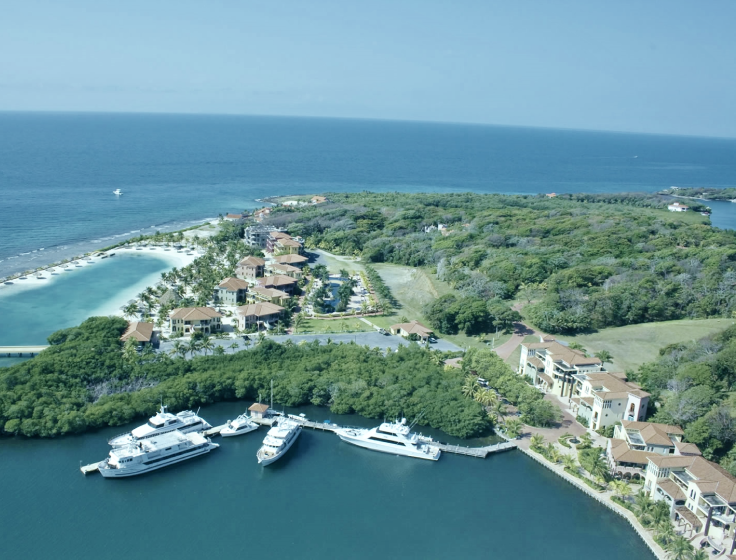
Las Verandas in Pristine Bay
10-15 min drive
Most options $80-200/night
Resort Areas
Longevity Advanced Patient liaison can provide accommodation recommendations and can answer questions about the Patient Experience and about the Island of Roatan.
What Longevity Advanced Provides
Medical Services
Initial consultation and comprehensive evaluation
All three phases of immunotherapy administration
Daily monitoring during observation periods
Blood work and laboratory testing
Post-treatment telemedicine follow-ups
Medical documentation and records
Booster injections as needed
Patient Support
Pre-arrival guidance on travel and logistics
Airport transfer coordination (available upon request)
Accommodation recommendations
Protocol explanation and education materials
24/7 medical contact during treatment visits
Long-term monitoring and outcome tracking
What Patients Arrange
International flights to Roatán
Accommodation during treatment visits (3 days per phase, 3 phases total = 9 days on-island across 10-12 weeks)
Meals and personal expenses
Any additional travel or tourism activities
Cost Considerations
The treatment investment covers all medical services, injections, consultations, and monitoring. Travel and accommodation costs are separate and vary based on patient preferences.

Many patients combine their treatment visits with leisure time on the island—though we recommend limiting strenuous activities for 24-48 hours post-injection while your body mounts its immune response.
Medical Tourism Reality Check
This is not a vacation. You are traveling for medical treatment. While Roatán offers beautiful surroundings, the purpose of your visit is therapeutic. You will experience immune activation, possible outbreaks, and flu-like symptoms.

The travel component adds logistical complexity to your treatment.That said, for patients who have suffered years of inadequate symptom control, the combination of effective treatment and a supportive environment outside the constraints of US medical regulation represents an opportunity worth the travel investment.
Safety and Quality Assurance
GARM maintains medical standards consistent with international norms:
Licensed physicians with advanced medical training
Sterile injection practices and proper medical protocols
Comprehensive informed consent procedures
Detailed medical record keeping
Emergency protocols and hospital access if needed
Professional liability coverage
GARM LLC, dba Longevity Advanced, has a global reputation for excellence.  GARM has been providing evidence based, safe, cutting edge, efficacious treatments to patients in a medical tourism model on the Island of Roatan since 2014.  
How Immunotherapy Works
Since 2011, this immunotherapy protocol has been administered to hundreds of patients with recurrent HSV-1 and HSV-2 infections. While individual responses vary, consistent patterns have emerged across the patient population.
Direct Flights From
Confirmed HSV-1 and/or HSV-2 diagnosis (serological testing)
Experiencing frequent recurrent outbreaks (monthly or more)
Neurological symptoms associated with outbreaks (pain, paresthesia, weakness, insomnia)
Inadequate symptom control despite antiviral therapy
Able to discontinue antivirals for 5-day periods before each injection
Able to discoWilling to commit to three-phase protocol over 10-12 weeksntinue antivirals for 5-day periods before each injection
Able to travel to Roatán for three separate 3-day visits
Realistic expectations about outcomes (suppression, not cure)
Exclusion Criteria
Active systemic infections requiring treatment
Severely immunocompromised state (advanced HIV, active chemotherapy, high-dose immunosuppressants)
Pregnancy or planned pregnancy during treatment period
Certain autoimmune conditions (requires physician evaluation)
Severe bleeding disorders
Allergy to protocol components (discussed during consultation)
Unwilling or unable to complete full three-phase protocol
Unrealistic expectations (seeking viral eradication vs. suppression)
Important Understanding: This Is Not a Cure
This treatment does not eradicate HSV from your system. The virus remains in the dorsal root ganglia permanently. This immunotherapy trains your immune system to suppress viral reactivation more effectively, reducing or eliminating outbreak frequency and associated symptoms. You will still carry the virus. You will still pose a transmission risk to sexual partners. Appropriate precautions should continue.The goal is restoration of quality of life through immune-mediated viral suppression—not viral elimination, which is not currently possible with any known treatment.
Application & Consultation Process
Step 1
Submit Application
Complete our online health questionnaire covering:
HSV diagnosis type (HSV-1, HSV-2, or both) and duration of infection
Current outbreak frequency and typical symptom presentation
Previous treatments attempted and results
Neurological or systemic symptoms experienced
General health status and current medications
Brief description of how HSV impacts your quality of life
Time Required
10-15 minutes
Next Step
Application reviewed by Longevity Advanced medical team within 2-3 business days
Step 2
Medical Review & Initial Assessment
Longevity Advanced physician reviews your application and medical history to determine preliminary candidacy. If your presentation suggests you may benefit from this protocol, we'll contact you to schedule a consultation.
Some applicants may be asked to provide:
Recent HSV serological test results (IgG antibodies)
Additional medical records if relevant comorbidities exist
Recent lab work (CBC, CMP, liver function tests)
Time Required
2-3 business days for review
Outcome
Invitation to consultation or preliminary decline with explanation
Step 3
Telemedicine Consultation
60-90 minute video consultation with Longevity Advanced physician to discuss:
Time Required
Detailed history of your HSV infection and symptom progression
Review of treatments you've attempted and their effectiveness
Discussion of neurological symptoms and quality of life impacts
Assessment of whether your presentation fits protocol parameters
The Protocol
How the immunotherapy works and what to expect at each phase
Expected immune responses and outbreak patterns
Timeline and travel logistics for three visits to Roatán
Realistic outcome expectations based on your presentation
Potential risks and side effects
Practical Considerations
Treatment investment and payment structure
Travel planning and accommodation guidance
Coordination of pre-treatment lab work if needed
Timeline for beginning treatment
Decision Point
This consultation allows both you and the Longevity Advanced physician to determine if this treatment is appropriate. Not every consultation results in moving forward—and that's appropriate. This protocol is effective for a specific patient population, and we are selective about candidacy.
Step 4
Treatment Planning & Scheduling
If candidacy is confirmed and you decide to proceed:
Pre-Treatment Preparation
Coordinate any required lab work through your primary physician or Longevity Advanced-affiliated lab
Schedule your three visits to Roatán (Phase 1, Phase 2 at Week 4, Phase 3 at Week 8)
Receive detailed pre-treatment protocols (medication discontinuation timeline, what to bring, what to expect)
Arrange flights and accommodation with support from Longevity Advanced patient liaison
Financial Arrangements
Review treatment investment and payment schedule
Understand what is included (medical services) vs. what you arrange (travel, lodging)
Complete financial agreements and deposit
Final Preparation
Review informed consent documents
Submit any final medical documentation
Receive confirmation of first visit with detailed arrival instructions
Timeline
Most patients begin Phase 1 within 4-8 weeks of consultation, depending on scheduling and preparation requirements.
Frequently Asked Questions
What is the investment for this treatment?
Treatment investment varies based on individual protocol requirements. The typical range is dependent upon complexity of presentation, additional testing requirements, and whether booster injections are needed.
Your investment covers:
  • All three phases of immunotherapy administration
  • Medical consultations and evaluations at each visit
  • Blood work and laboratory testing
  • Post-treatment telemedicine follow-ups for 12 months
  • Medical documentation and records
Not included:
  • International flights to Roatán
  • Accommodation during your visits
  • Meals and personal expenses
  • Additional travel insurance (recommended)
Specific pricing is discussed during your consultation based on your individual case.
Is this a cure for HSV?
No. This is not a cure. The virus remains in your system permanently in the dorsal root ganglia along the spinal cord.

This immunotherapy trains your immune system to suppress the virus more effectively, reducing or eliminating outbreak frequency and associated symptoms. The virus is still present and you remain a transmission risk to partners.

The goal is viral suppression and quality of life restoration—not viral eradication, which is not currently possible with any treatment.
Will I still be able to transmit the virus to sexual partners?
Yes. While the virus is suppressed and outbreak frequency is reduced, you still carry HSV and pose a transmission risk.
You should continue taking appropriate precautions:
  • Disclosure to sexual partners
  • Barrier protection methods
  • Avoidance of sexual contact during any outbreak (even mild)
  • Consideration of suppressive antiviral therapy if desired (can be resumed after completing protocol)
Reducing your outbreak frequency may reduce transmission risk, but it does not eliminate it. Asymptomatic viral shedding can still occur.
What are the side effects and risks?
Yes. While the virus is suppressed and outbreak frequency is reduced, you still carry HSV and pose a transmission risk.
Common and Expected (signs of appropriate immune activation):
  • Injection site reactions: redness, warmth, swelling, tenderness
  • Flu-like symptoms for 24-48 hours post-injection
  • Outbreak following first injection (75-80% of patients)
  • Mild fever, fatigue, general malaise
  • Headache (usually resolves with hydration)
Uncommon:
  • High fever lasting more than 48 hours
  • Severe injection site pain
  • Prolonged systemic symptoms
Risks:
  • As with any injection: infection at injection site, allergic reaction (rare)
  • Possibility of no symptom improvement (though all patients to date have shown some degree of response)
  • Travel-related risks (international medical travel)
Most patients tolerate the protocol well and continue normal activities with minimal disruption.
I'm currently taking daily Valtrex/acyclovir. Do I have to stop?
Yes. You must discontinue all antiviral medications 5 days prior to each injection.

The immunotherapy works by provoking an immune response to the virus. Antivirals suppress viral replication and would interfere with the intended immune activation. Without discontinuation, the protocol is unlikely to be effective.

This requirement is discussed in detail during your consultation, and the discontinuation timeline is built into your treatment protocol.

Some patients choose to resume low-dose antiviral therapy after completing the three-phase protocol, though many find they no longer need it.
How long does the complete treatment take?
The three-phase protocol spans 10-12 weeks:
  • Phase 1: 3 days at Longevity Advanced
  • 5-6 weeks at home
  • Phase 2: 3 days at Longevity Advanced
  • 5-6 weeks at home
  • Phase 3: 3 days at Longevity Advanced
Total time on-island across all three phases: 9 days
Long-term monitoring continues for 12+ months via telemedicine. Some patients require a booster injection at 6-12 months, which would involve one additional 3-day visit to Roatán.
What about the research linking HSV to Alzheimer's disease?
Recent large-scale studies (2024-2025) indicate that individuals with recurrent HSV-1 or HSV-2 infections face 2-2.5x higher risk of developing dementia and Alzheimer's disease compared to those without infection.

The proposed mechanism is chronic neuroinflammation—repeated activation of inflammatory pathways in neural tissue with each viral reactivation. Over years or decades, this may contribute to progressive neurological damage.

While more research is needed to establish causation definitively, the evidence suggests that suppressing recurrent outbreaks may reduce long-term neuroinflammatory burden.

This protocol cannot reverse any neurological damage that may have already occurred, but by reducing outbreak frequency and immune activation, it may potentially reduce ongoing inflammatory risk.
Why isn't this treatment available in the United States?
The FDA has not approved this immunotherapy protocol. Bringing a new treatment through the US regulatory system requires extensive clinical trials, regulatory submissions, and substantial investment—typically taking 10-15+ years and hundreds of millions of dollars.

Without pharmaceutical industry backing, this pathway is not feasible for many promising treatments.

GARM operates under the medical regulatory framework of Honduras and specifically within the Próspera jurisdiction in Roatán. This allows us to offer evidence-based treatments with established clinical track records (13+ years, hundreds of patients) that are not yet available through US medical channels.

For patients suffering significant quality of life impacts who have not responded to conventional therapy, this regulatory distinction provides access to an otherwise unavailable treatment option.
What happens after the three injections? Do I need ongoing treatment?
Most patients experience sustained symptom improvement for extended periods after completing the protocol. Some achieve 12-18+ months of complete latency with no outbreaks.
Long-term monitoring includes:
  • Telemedicine check-ins at 1, 3, 6, and 12 months
  • Patient-reported outcome tracking
  • Assessment of symptom status and outbreak frequency
Some patients require a booster injection to maintain or enhance suppression. This is typically determined at the 6-12 month mark based on your reported outcomes. Booster injections follow the same protocol but usually require only a single visit to Longevity Advanced.

You remain in contact with the Longevity Advanced medical team and can reach out any time with questions or concerns.
Can I do this treatment if I have both HSV-1 and HSV-2?
Yes. The protocol has been used successfully in patients with both HSV-1 and HSV-2 infections.

While the clinical focus has been primarily on HSV-2 (due to the more severe and frequent presentation in many patients), patients with both types have shown improvement in outbreak frequency across both infection sites.

HSV-1-only patients can be treated, though the majority of clinical experience has been with HSV-2 presentations. This is discussed during your consultation to set appropriate expectations.
What if I don't see improvement after the three injections?
To date, every patient who has completed the three-phase protocol has shown some degree of improvement—though the magnitude varies by individual.

Some patients achieve dramatic results (90%+ reduction in symptoms), while others see more modest improvement (50% reduction). Some require additional booster injections to reach optimal suppression.

If you complete the protocol and do not achieve meaningful improvement, this is discussed with your physician to determine:
  • Whether a fourth booster injection is appropriate
  • Whether there are other factors affecting your response
  • What additional options may be available
The consultation process is designed to select candidates most likely to benefit, which may explain why the clinical experience shows universal improvement across the patient population treated.

Is this treatment covered by insurance?
No. This is a self-pay medical service. Treatment takes place outside the United States, and the protocol is not FDA-approved, so US insurance will not provide coverage.

Some patients have successfully submitted documentation for out-of-network reimbursement consideration, but this is rare and should not be expected.

You should plan to self-fund all medical services, travel, and accommodation costs associated with this treatment.
I'm immunocompromised. Can I still do this treatment?
No. This is a self-pay medical service. Treatment takes place outside the United States, and the protocol is not FDA-approved, so US insurance will not provide coverage.

Some patients have successfully submitted documentation for out-of-network reimbursement consideration, but this is rare and should not be expected.

You should plan to self-fund all medical services, travel, and accommodation costs associated with this treatment.
Take the Next Step
The application process begins with a brief health questionnaire. This allows the Longevity Advanced medical team to conduct a preliminary assessment of your candidacy and determine if a consultation is appropriate.
If you're experiencing recurrent HSV outbreaks and neurological symptoms despite antiviral therapy, this immunotherapy protocol may offer the suppression and quality of life improvement you've been seeking.
Not every applicant will move forward to consultation—and not every consultation results in treatment. This protocol is effective for a specific patient population, and we maintain careful selection criteria to ensure the best possible outcomes.
Evaluate Your Candidacy
Get Started →

Questions Before Applying?

Our team can answer questions about the application process, travel logistics, and whether this treatment may be appropriate for your situation.
Reserve your treatment today
Since 2011, this immunotherapy protocol has been administered to hundreds of patients with recurrent HSV-1 and HSV-2 infections. While individual responses vary, consistent patterns have emerged across the patient population.