VEGF Plasmid Gene Therapy

A next-generation option designed to improve local blood flow and microcirculation—so tissues get more of what they need to perform and heal.
Check Eligibility →

What VEGF Plasmid Gene Therapy Is—In One Minute

VEGF plasmid gene therapy uses a small, circular piece of DNA (called a plasmid) that gives your cells a short-term nudge to produce VEGF—the body's master signal to grow tiny new blood vessels.
Think of VEGF as instructional DNA circles that temporarily boost your body's natural ability to create better circulation where you need it most.
The simple equation
More micro-vessels → better local circulation → potential improvements in oxygen delivery, nutrients, and tissue resilience.
Here's what makes this approach unique: the plasmids don't integrate into your genes or change your DNA. They stay in the cell nucleus temporarily, deliver their instructions to make VEGF protein, and then naturally degrade. Your original DNA remains completely unchanged.

This process triggers angiogenesis—the formation of new blood vessels—in the specific areas where the therapy is administered. These new micro-vessels create additional pathways for oxygen and nutrients to reach tissues while improving waste removal.
Why Blood Flow and Microcirculation Matter More Than You Think
Your circulatory system is like a highway network, but the real magic happens in the smallest streets—your capillaries and micro-vessels. These tiny blood vessels are where the actual exchange of oxygen, nutrients, and waste occurs at the cellular level.
Microcirculation underpins nearly everything
physical performance, recovery speed, skin and scalp health, cognitive function, and healthy aging. When microcirculation declines, tissues don't get what they need to function optimally.
The aging reality
Capillary density and VEGF signaling naturally decline with age. This affects muscle performance, skin quality, hair follicle health, wound healing, and overall tissue resilience. By age 65, many people have 20-30% fewer functional capillaries in their muscles compared to their younger years.
Poor microcirculation contributes to
Reduced exercise capacity and slower recovery
Thinning hair and compromised scalp health
Slower wound healing and tissue repair
Decreased cognitive performance
Age-related muscle weakness (sarcopenia)
Compromised skin health and appearance
Compromised blood and oxygen circulation
VEGF plasmid gene therapy works by temporarily boosting the body's natural vessel-building signals in targeted areas, potentially restoring some of the microcirculatory capacity that diminishes over time.

What People Use VEGF Plasmid Gene Therapy For

At Longevity Advanced, patients seek VEGF plasmid gene therapy for three primary applications:

Hair Rejuvenation

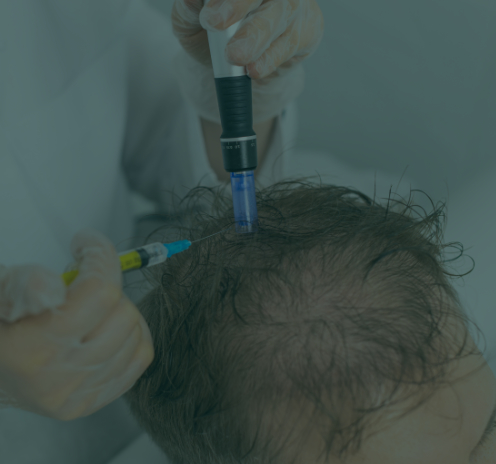
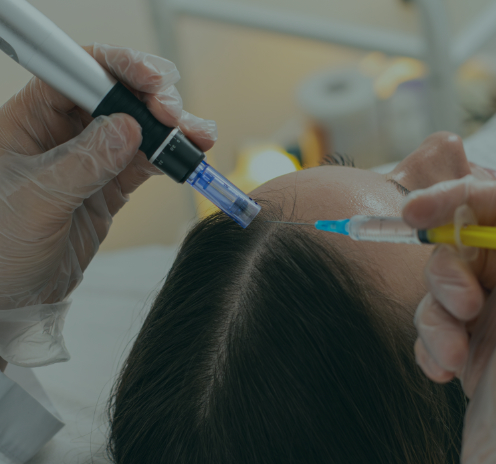
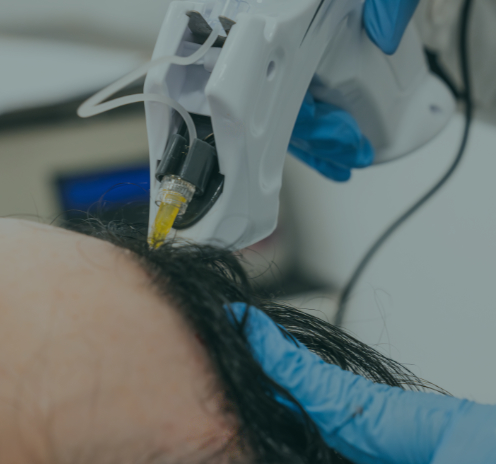
Hair follicles require a robust blood supply to maintain healthy growth cycles. VEGF therapy may improve scalp microcirculation, supporting better nutrient delivery to follicles and potentially encouraging thicker, fuller-looking hair over time.

Vascularization (Microcirculation)

For those seeking to support local circulation in areas with compromised blood flow—whether due to aging, diabetes-related issues, lower leg ischemia, or other circulation challenges. This includes wound healing support and general microcirculatory enhancement.

Sarcopenia & Performance

Adults experiencing age-related muscle decline or athletes seeking enhanced endurance and recovery. Better muscle oxygenation through improved capillary density may support strength, reduce fatigue, and accelerate recovery.

Sarcopenia & Performance

Adults experiencing age-related muscle decline or athletes seeking enhanced endurance and recovery. Better muscle oxygenation through improved capillary density may support strength, reduce fatigue, and accelerate recovery.
What the Clinical Evidence Shows
The strongest evidence base for VEGF plasmid gene therapy comes from extensive research in peripheral artery disease (PAD), where circulation problems are severe and measurable improvements are clinically significant.
Proven Outcomes in Circulation Research
Studies in PAD patients demonstrate that VEGF plasmid therapy can produce:
Improved angiography results showing new vessel formation
Enhanced ankle-brachial index (ABI) indicating better leg circulation
Increased tissue oxygenation measured through TcPO₂ testing
Extended walking distances with notable improvements in pain-free walking
Sustained benefits lasting 3-5 years after treatment
In one landmark study, patients with severe circulation issues experienced up to 683% improvement in walking distance, with benefits maintained over multiple years.
Broader Applications
While the core evidence comes from PAD research, the biological mechanisms of improved microcirculation may translate to other applications. For hair, muscle performance, and general vascularization, we use careful "may" language because research in these areas is ongoing, though the underlying science of VEGF-mediated angiogenesis is well-established.
Exceptional Safety Profile
VEGF plasmid gene therapy (Neovasculgen) has one of the most comprehensive safety databases among gene therapies:
Over 10,000 patients treated with extensive post-marketing surveillance
Non-integrating plasmids that don't alter your DNA
5-year follow-up data showing no increased cancer risk
Local injection approach that didn't raise systemic VEGF levels in trials
Mild side effects only - temporary local reactions at injection sites
This safety record spans over a decade of clinical use, establishing VEGF plasmid therapy as one of the safest gene therapy approaches available.
What to Expect: Timeline and Journey
Realistic Timeline Expectations
VEGF plasmid gene therapy works by triggering your body's natural vessel-building processes, so effects develop gradually as new micro-vessels form and mature.
For hair applications
Visible improvements are often discussed around the 6-month mark, as hair growth cycles are naturally slow.
For microcirculation and performance
Benefits may be noticed sooner in some individuals, though peak effects typically develop over several months.
Durability
Based on circulation research, effects can last 3-5 years, making this a long-term solution rather than ongoing maintenance therapy.
Clinical Development
This protocol was developed by Dr. William Halford, a virologist who dedicated his career to HSV research and spent years refining the immunotherapy approach.
Since 2011, the treatment has been administered to hundreds of patients, with continuous refinement based on clinical outcomes and patient response patterns.The protocol does not eradicate the virus—HSV remains in the dorsal root ganglia permanently. Instead, it trains the immune system to maintain the virus in a deeply suppressed latent state, reducing or eliminating both outbreak frequency and the neurological symptoms associated with viral reactivation.
Clinical Development
This protocol was developed by Dr. William Halford, a virologist who dedicated his career to HSV research and spent years refining the immunotherapy approach.
Since 2011, the treatment has been administered to hundreds of patients, with continuous refinement based on clinical outcomes and patient response patterns.The protocol does not eradicate the virus—HSV remains in the dorsal root ganglia permanently. Instead, it trains the immune system to maintain the virus in a deeply suppressed latent state, reducing or eliminating both outbreak frequency and the neurological symptoms associated with viral reactivation.

Your Treatment Journey

Phase 1

Initial consultation

Assess candidacy and discuss goals
Phase 2

Eligibility screening

Personalized evaluation of suitability
Phase 3

Treatment visit

Targeted injections administered over 1-2 days
Phase 3

Treatment visit

Targeted injections administered over 1-2 days
Phase 4

Follow-up monitoring

Track progress and optimize outcomes
Important Note on Individual Variation
The specific protocol varies by application and individual needs. Some patients may benefit from a second round of injections for enhanced effectiveness.

Individual results vary, and consistency with healthy lifestyle habits supports optimal outcomes.
Who May Be a Candidate for VEGF Plasmid Gene Therapy
VEGF plasmid gene therapy may be suitable for adults seeking non-surgical options to support local blood flow and microcirculation.
Common candidate profiles include:
Hair Concerns
Individuals experiencing early to moderate hair thinning
Those frustrated with limited results from conventional treatments
People seeking a long-term, non-daily maintenance approach
Circulation and Performance
Adults noticing age-related decline in strength or endurance not explained by training alone
Individuals with circulation challenges affecting specific areas
Those seeking to optimize muscle oxygenation for performance or recovery
General Vascularization Support
People interested in supporting tissue health through improved microcirculation
Individuals with slow-healing areas or compromised local blood flow
Those pursuing proactive approaches to age-related vascular decline
Personalized screening is essential
this therapy isn't suitable for everyone. Factors like medical history, current health status, and specific goals all influence candidacy. A thorough consultation determines whether VEGF plasmid gene therapy aligns with your individual situation and objectives.
Safety, Oversight, and Regulatory Status
Treatment Oversight
VEGF plasmid gene therapy is not approved by the U.S. FDA. Treatment is provided outside the United States at Longevity Advanced locations in Roatán and the Bahamas, where protocols are reviewed by an IRB (Institutional Review Board), if applicable.

Safety Reassurance

The non-integrating nature of plasmid therapy means your DNA remains unchanged. The plasmids work temporarily in cell nuclei before naturally degrading, leaving no permanent genetic modifications.
An estimated 10,000 patients have been treated in Russia for more than a decade with no severe adverse events. The most common complaint was pain at the injection sites.
Extensive 5-year follow-up data confirms no increased cancer risk, and local injection approaches used in clinical trials did not elevate systemic VEGF levels. Most patients experience only mild, temporary local reactions at injection sites.
This robust safety profile, combined with over a decade of clinical use, establishes VEGF plasmid gene therapy among the safest approaches in the gene therapy field.

Take the Next Step

Ready to explore whether VEGF plasmid gene therapy could benefit you?

See If You're a Candidate →
Not approved by the U.S. FDA. Offered by Longevity Advanced Clinic outside the U.S.; protocols are reviewed by an IRB where indicated. Individual results vary.