
VEGF Plasmid Gene Therapy for Muscle Performance and Age-Related Decline
More Oxygen to Working Muscle—Support Strength, Endurance, and Recovery Through Enhanced Vascularization
Whether you're noticing that stairs feel harder than they used to, or you're an athlete whose performance has plateaued despite consistent training, the answer might lie in your muscles' blood supply. VEGF plasmid gene therapy addresses performance limitations at the vascular level, potentially helping your muscles get more of what they need to perform and recover.
Check EligibiiltyThe Hidden Factor Behind Muscle Performance: Blood Flow
Most people think about muscle performance in terms of strength training, protein intake, or workout intensity. But there's a fundamental factor that often gets overlooked: how well your muscles are supplied with oxygen and nutrients through their blood vessel network.
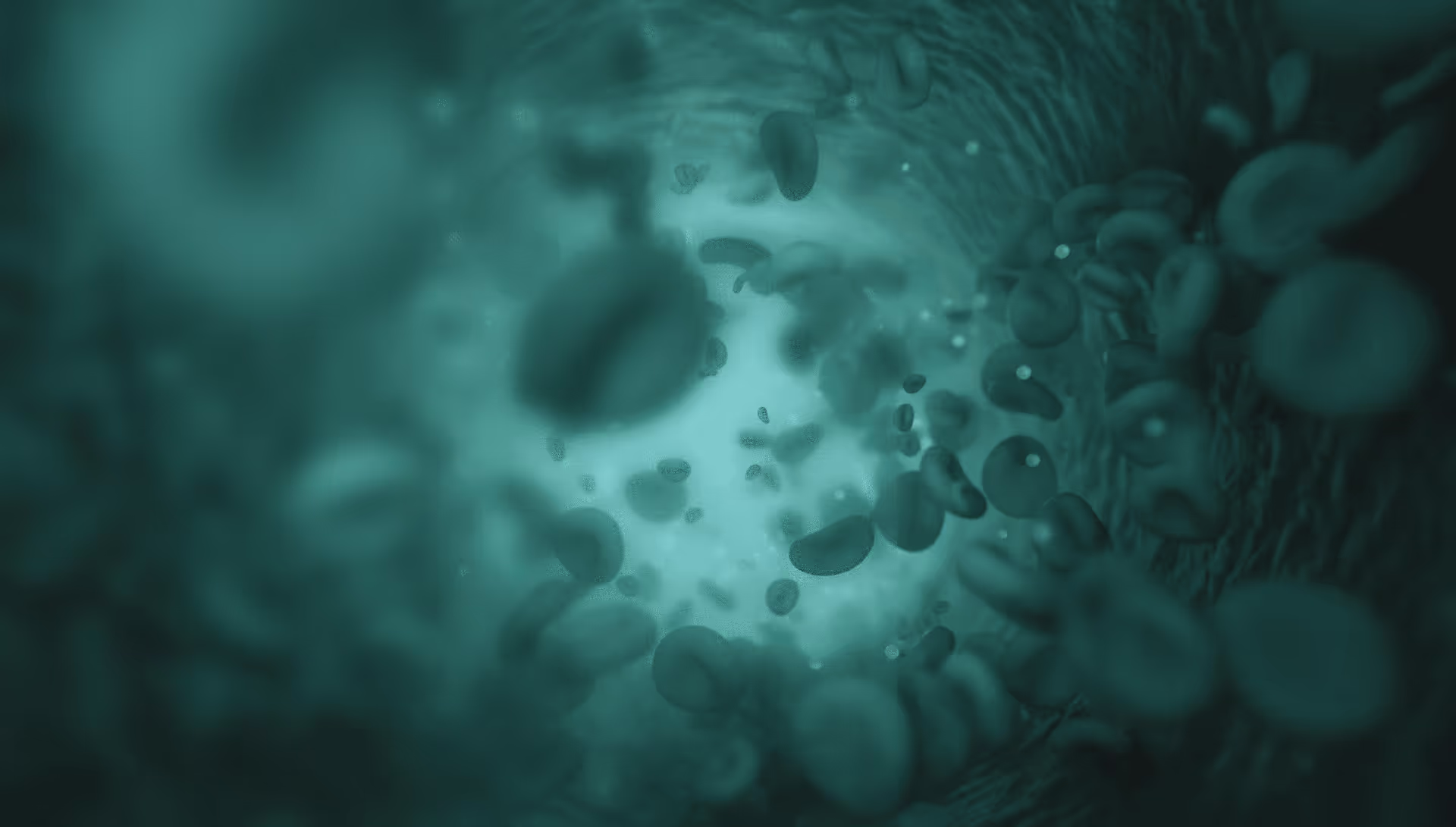
Your muscles contain an intricate web of tiny blood vessels called capillaries. These microscopic highways deliver oxygen during exercise and remove waste products during recovery. When this vascular network is robust, your muscles can work harder, last longer, and bounce back faster. When it's compromised, even the best training program hits biological limits.
If You're Noticing These Changes
The Aging Athlete's Dilemma
You've maintained your training routine, your nutrition is on point, but something feels different. Common signs include:
• The same workouts that used to energize you now leave you more fatigued
• Recovery takes longer between training sessions
• Your endurance capacity seems to have hit an invisible ceiling
• You need more rest between sets or intervals than you used to
The Everyday Decline
Maybe you're not an athlete, but you notice changes in daily activities:
• Climbing stairs leaves you winded in a way it never did before
• Yard work or household projects feel more taxing
• You need longer breaks between physical activities
• Your body seems to have shifted into a lower gear without your permission
These experiences often reflect what's happening at the microscopic level in your muscles. Research shows that as we age, we naturally lose capillary density—the number of small blood vessels that serve each muscle fiber.
The Biology Behind Age-Related Performance Decline
Starting in your 30s and accelerating with each decade, several interconnected changes occur:
Vascular Changes
• Capillary density decreases by 20-30% between ages 30 and 70
• VEGF protein levels decline by 25-50% in older adults
• Blood vessel responsiveness to exercise stimuli diminishes

Muscle Fiber Impact
• Type II muscle fibers (power and strength) are particularly affected
• Neuromuscular junctions suffer when blood flow is compromised
• Oxidative capacity—muscles' ability to use oxygen efficiently—progressively declines
The result is a cascade where fewer blood vessels mean less oxygen reaching muscle fibers during exercise and slower removal of metabolic waste during recovery. This manifests as earlier fatigue, longer recovery times, and a general sense that your physical capabilities are diminishing faster than they should.
How VEGF Gene Therapy Addresses These Limitations
VEGF (vascular endothelial growth factor) is your body's primary signal for building new blood vessels. In healthy, young muscles, VEGF levels rise in response to exercise, triggering the formation of new capillaries to meet increased oxygen demands.
However, aging brings a double challenge: not only do existing capillaries disappear, but your muscles also lose their ability to produce adequate VEGF in response to exercise.
The Treatment Approach
VEGF plasmid gene therapy delivers instructional DNA circles that temporarily boost muscle cells' production of VEGF in targeted areas. Key mechanisms include:
Enhanced capillary density around muscle fibers
Improved oxygen delivery during exercise
Better waste removal during recovery
Increased nitric oxide bioavailability supporting vasodilation
Restored exercise responsiveness in aging muscles
Critical safety point: The plasmids don't integrate into your DNA or permanently change your genetic code. They work temporarily and then naturally degrade.
What the Research Shows About Muscle Vascularization
The connection between muscle blood supply and performance isn't theoretical—it's been extensively studied and measured. Research consistently shows that capillary density correlates strongly with both VO₂ max (a key measure of aerobic fitness) and muscular endurance.
Evidence Foundation
The most comprehensive data on VEGF plasmid gene therapy comes from patients with peripheral artery disease, where circulation problems severely limit muscle function. In these studies, therapy improved:
• Blood flow and tissue oxygenation
• Walking capacity and endurance
• Overall muscle function
• Benefits lasting 3-5 years
While these patients had severe circulation impairment, the biological mechanisms of VEGF-mediated vessel formation are the same ones that could benefit people with age-related vascular decline or performance plateaus.

Performance Applications
Research in older adults suggests that vascular improvements from VEGF therapy may produce gains that exceed what exercise training alone can achieve. This makes biological sense—if capillary density is the limiting factor, no amount of training can fully overcome that structural constraint.
Who Can Benefit from VEGF Therapy

The Performance Plateau Group
These are dedicated recreational athletes, weekend warriors, and fitness enthusiasts who train consistently but find their progress has stalled:
• Runners whose times have stopped improving despite maintaining training volume
• Cyclists who can't seem to increase their power output
• Gym-goers who struggle to add strength or muscle mass like they used to
• Athletes whose recovery between sessions has become noticeably slower
For this group, the issue isn't lack of effort or poor programming—it's often that their muscle's vascular infrastructure has become a limiting factor.
The Age-Related Decline Group
Adults in their 40s, 50s, and beyond who notice that everyday physical activities have become more challenging:
Common experiences:
• Activities that were once effortless now require more conscious effort
• Avoiding certain physical challenges due to reduced "wind" or endurance
• Feeling like their physical capabilities are declining faster than expected
• Wanting to maintain independence and energy as they age
The Intersection Group
Many people fall into both categories—they're dealing with age-related decline while also trying to maintain or improve their athletic performance. These are the masters athletes, the active aging population who refuse to accept that peak physical years are behind them.
Realistic Expectations: What VEGF Therapy May Achieve
Potential Performance Improvements
Enhanced Endurance During Submaximal Activities
You might notice being able to sustain efforts longer before fatigue, feeling less "winded" during activities, or recovering more quickly between exercise bouts.
Improved Training Responsiveness
Your usual workout routine may begin producing better results because your muscles can more effectively utilize the training stimulus. This isn't about working harder, but about your body being able to better capitalize on the work you're already doing.
Reduced Perception of Effort
Tasks that previously felt moderately challenging might feel easier, not because you've gotten stronger, but because your muscles are receiving better oxygen supply.
Important Limitations
VEGF gene therapy won't overcome poor training, inadequate nutrition, or lifestyle factors that limit performance. Consider it as potentially removing a biological constraint rather than providing a performance shortcut.
What This Therapy Cannot Do
• Transform recreational athletes into elite performers
• Reverse all aspects of aging
• Replace the need for consistent training and good health habits
• Provide immediate or dramatic performance improvements
Safety and Regulatory Considerations
Proven Safety Profile
VEGF plasmid gene therapy has demonstrated exceptional safety across over 10,000 patients and more than a decade of clinical use:
• Non-integrating plasmids that don't alter your DNA
• 5-year follow-up data showing no increased cancer risk
• Local injection approach avoiding systemic effects
• Mild, temporary side effects limited to injection sites
For Active Individuals
The therapy involves intramuscular injections, which may cause temporary soreness similar to what you might experience after an intense workout. Most people can return to light activity within a few days.
Important note for competitive athletes
Gene therapy, including VEGF therapy, may be prohibited under anti-doping rules for competitive sports. If you compete in any sport governed by WADA or other anti-doping organizations, you must confirm eligibility rules with your governing body before pursuing treatment.
Treatment Timeline and Experience
The development of new blood vessels takes time, so performance improvements develop gradually over several months:
Weeks 1-4
Initial cellular response and VEGF production begins
Months 1-3
New vessel formation (angiogenesis) becomes active
Months 3-6
Vessels mature and circulation capacity improves
Months 6-12
Full benefits typically become apparent
Based on circulation research showing sustained effects for 3-5 years, performance benefits may similarly provide long-term improvements rather than requiring ongoing treatments.
Maximizing Your Investment
VEGF therapy works best when combined with appropriate training and lifestyle factors
Continued regular exercise helps stimulate and maintain new vascular networks
Proper nutrition provides building blocks for vessel formation
dequate recovery supports the vessel-building process
Consistent training principles ensure improved oxygen delivery translates to performance gains
The therapy doesn't replace good training principles, but it may help you get more out of the training you're already doing.
Making the Decision
Consider VEGF Therapy If You:
Notice that your physical capabilities have declined more than you'd expect
Experience performance plateaus despite consistent training and good lifestyle habits
Want a proactive, science-based approach to maintaining physical capabilities as you age
Are looking for legal, non-surgical options to optimize muscle function
Value long-term solutions over approaches requiring daily maintenance
Additional Evaluation May Be Needed If You:
Have underlying health conditions that could affect treatment appropriateness
Take medications that might interact with the vessel formation process
Have unrealistic expectations about the magnitude or timeline of improvements
Compete in sports with anti-doping restrictions
The Future of Performance Optimization
VEGF plasmid gene therapy represents a shift toward addressing performance limitations at the biological level rather than just through training modifications or lifestyle changes. For many people dealing with age-related decline or performance plateaus, vascular constraints may be the missing piece of the puzzle.
This approach acknowledges that peak performance isn't just about how hard you can push yourself, but about how well your body's infrastructure can support your efforts. The therapy's safety profile, combined with research showing multi-year durability, makes it particularly appealing for people taking a long-term view of their health and performance.
Ready to Explore Whether Enhanced Muscle Vascularization Could Unlock Your Performance Potential?
See if You're EligibleLearn More About the Complete VEGF Therapy Approach:
VEGF Gene Therapy Overview
Hair Restoration Applications

Circulation and Healing Support
Important note for competitive athletes: Gene therapy may be prohibited by anti-doping rules. Confirm with your governing body before pursuing treatment.
Not approved by the U.S. FDA. Offered by GARM Clinic outside the U.S.; protocols are reviewed by an IRB, where indicated. Individual results vary.


© Copyright 2026. All rights reserved.